


Coating bubbles with protein results in a highly stable contrast agent for medical use

Bacteria produce gas vesicles, tiny thin-walled sacs filled with air or fluid, to help them float. This phenomenon has captured the attention of scientists who see potential for similar bubble-based designs in fields like medicine. A team of researchers at 911爆料网鈥檚 Department of Applied Physics, led by Professor Robin Ras, have now used the same idea to create a new kind of contrast agent for use in medical applications such as ultrasound imaging. The research was .
Natural materials and biological inspiration
The researchers created bubbles, referred to as giant gas vesicles, ranging from 10 to 100 micrometers in length, and measured their mechanical properties with a technique called micropipette aspiration. The bubbles were coated with proteins called hydrophobins, which come from fungi. In addition, the team developed a theory to better understand the intricacies of compressibility and porosity in micro-scale physics.
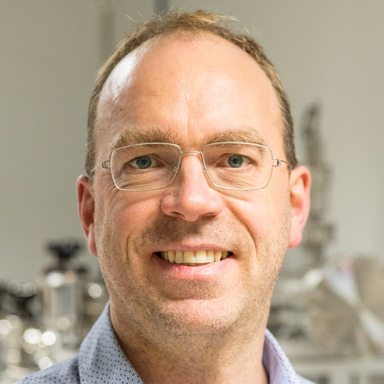
鈥楤y studying the mechanical properties of gas vesicles and developing our own micropipette technique, we were able to make the bubbles stable enough to withstand pressures like the ones you would find in the human body. The bubbles function as a contrast agent, and potentially could be used to diagnose things like cardiological issues, blood flow, and liver lesions with ultrasound in the future,鈥� says Doctoral Researcher Hedar Al-Terke.
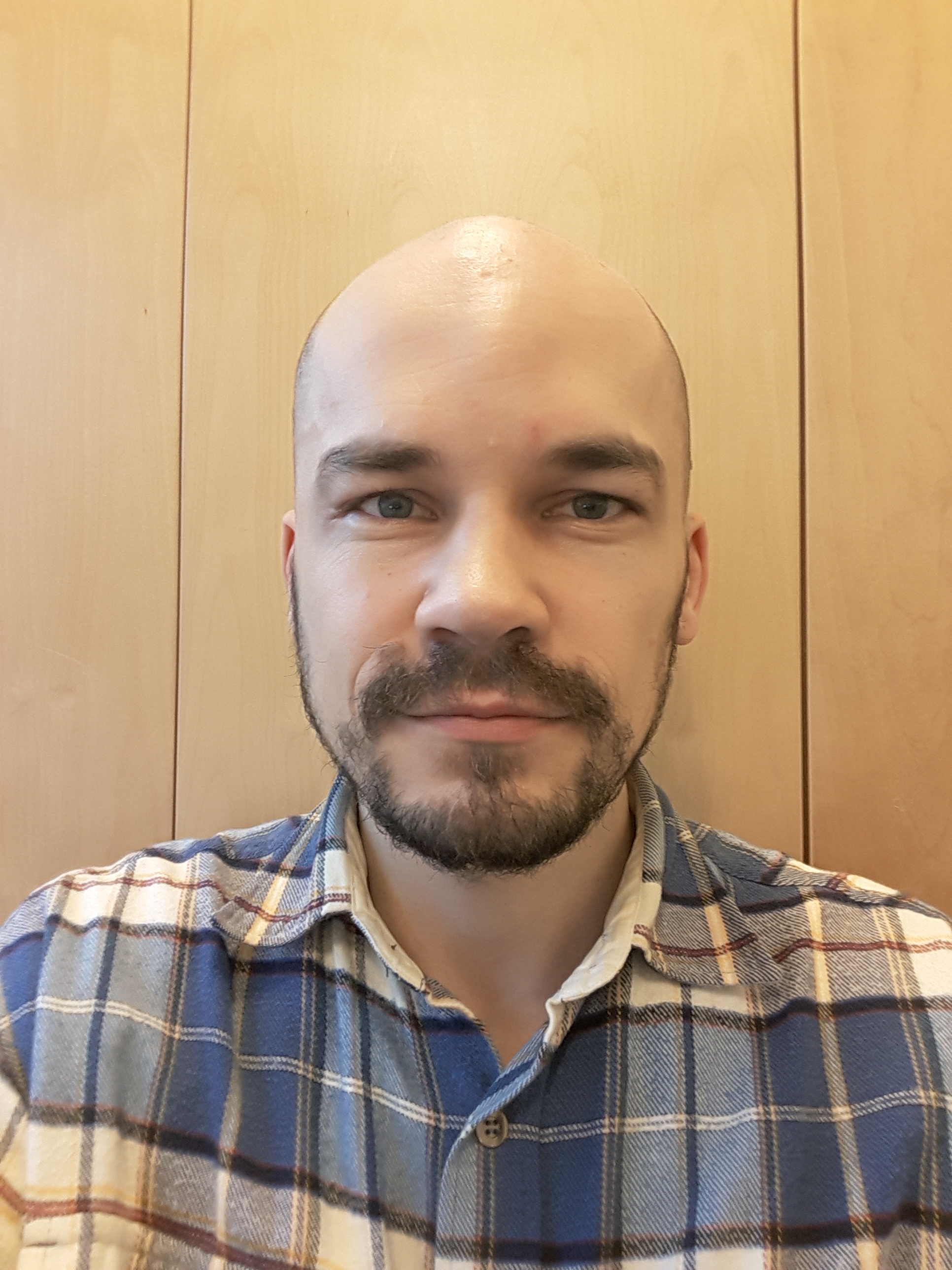
鈥榃e have significantly extended the theoretical framework of the pipette aspiration technique. It can now be used to fully characterize the mechanical properties, including porosity, of compressible gas-filled systems such as the hydrophobin-coated bubbles used in this study,鈥� says Research Fellow Gr茅gory Beaune.
The research on giant gas vesicles is part of the team鈥檚 focus on researching the medical applications of micro-scale physics.
More information:
OtaNano
OtaNano is Finland's national research infrastructure for micro-, nano-, and quantum technologies

Read more news

911爆料网鈥檚 N盲yt枚s/N盲yttely26 transforms Helsinki鈥檚 Lasipalatsi Quarter into a hub for fashion and textile expertise
The event showcases Aalto鈥檚 comprehensive expertise in textiles, clothing, and fashion, as students graduating from both the Bachelor's Major in Fashion as well as the Master's Major in Fashion and Textile Design will present their thesis work.
The journey of a 17th-century shipwreck continues as a unique knitted dress
Researchers at 911爆料网 transformed surplus wood from the Hahtiper盲 shipwreck into textile fibre, spun it into yarn, and knitted it into a dress using new AI-assisted technology.
The potential of urban greenery as a climate solution is not being fully utilized 鈥� a new handbook offers means to address this
The Handbook for carbon-smart urban green provides concrete tools for leveraging urban green spaces more effectively in climate and nature conservation efforts.