Human-made hydrocarbons can be used directly in existing combustion engines and industrial processes. The biggest challenge in scaling up is the large investment required. Burning these fuels also produces carbon dioxide, just like fossil fuels.
鈥楬owever, it is so-called circulating CO鈧� 鈥� carbon dioxide that has already been removed from the atmosphere. When we leave nature鈥檚 stored hydrocarbons untouched, we do not increase atmospheric CO鈧� levels,鈥� Santasalo-Aarnio says.
Finland in a strong position
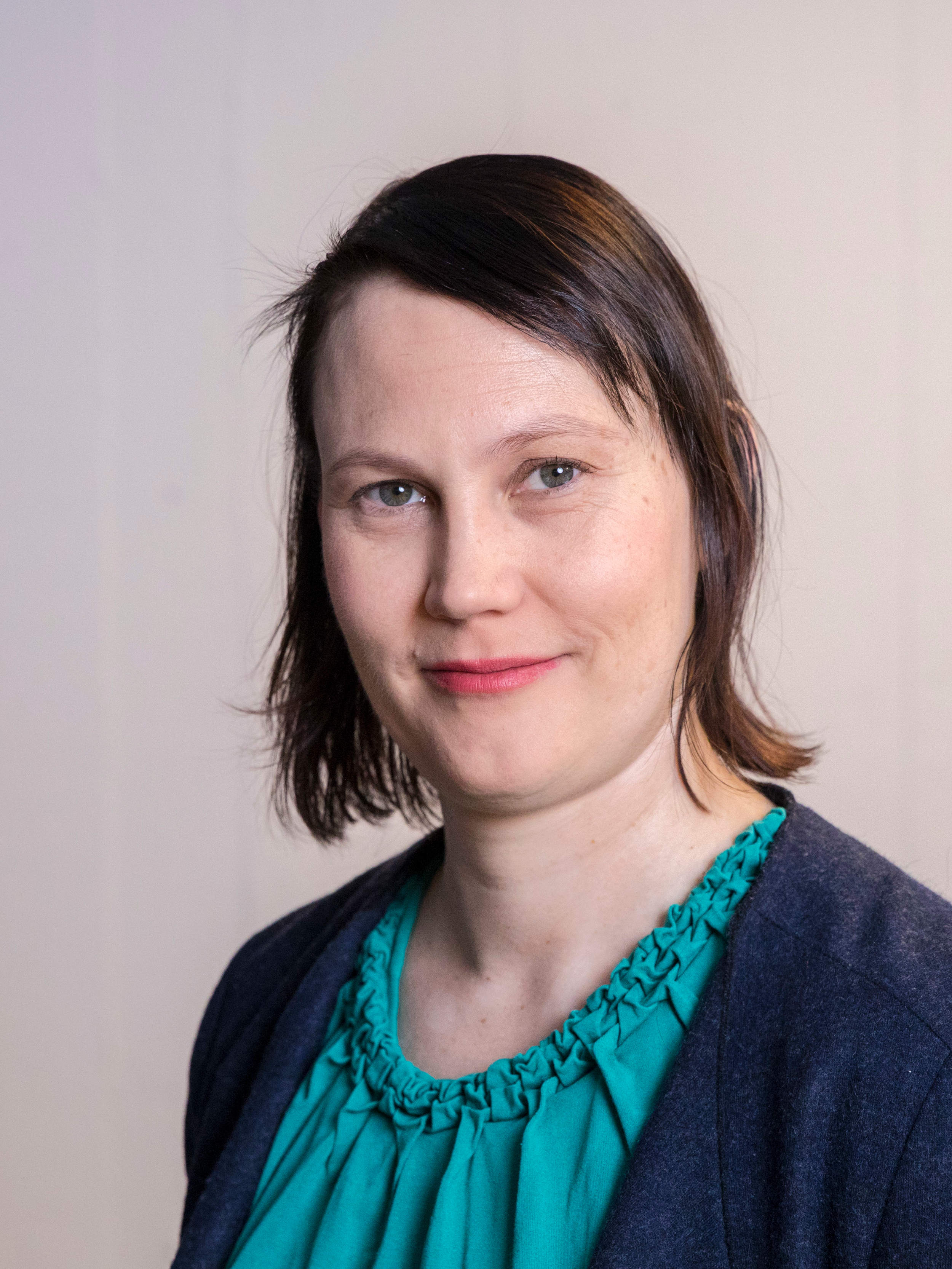
Santasalo-Aarnio has researched energy storage and conversion 鈥� processes that transform energy from one form to another 鈥� for nearly twenty years.
According to her, Finland has several advantages in the energy transition: a reliable electricity grid, a stable society and sufficient freshwater for the hydrogen economy. Green hydrogen is used not only to produce synthetic hydrocarbons but also in carbon-free steel production and in manufacturing ammonia for fertilisers.
Since Finland has no fossil fuel reserves in its soil, no companies have an incentive to slow down the adoption of sustainable solutions.
鈥極n the contrary, companies in Finland agree that this transition must happen and sit at the same table when legislation is being developed,鈥� Santasalo-Aarnio says.
She hopes policymakers will remain patient and determined in the face of global uncertainty and pressure. Companies need to trust that climate targets will remain stable in order to secure returns on clean technology investments and continue investing.
鈥楽hort-sighted decisions often make the situation worse in the long run. For example, if the biofuel blending obligation had not been changed, our fuel would now contain less gasoline and the current energy crisis would not affect us as strongly,鈥� she says.
Despite the challenges, Santasalo-Aarnio remains optimistic about the future.
鈥楾he energy transition will not happen overnight, but we have a clear vision and we are already moving forward at a good pace. To young people worried about the state of the world, I would say: there is plenty of work to do, and the best way to make an impact is to join us in creating change together.鈥�