


’It is important to identify and bring together the accumulated user knowledge'

What is your research about?
’I’m researching how user knowledge can be utilized in product and service development in situations where users cannot be directly involved. In general, user involvement is important and user input has been proven to have positive effects on the success of new innovations. But there are also situations where user involvement is not possible. This may be due to, for example, lack of resources, confidentiality, or the inability to reach a user group.
This research was conducted through a longitudinal case study in a Finnish industrial company that has been a forerunner in utilising human-centred design. I wanted to find out how the utilization of customer information takes place in a company where a lot of user research has been done and the applied practices are good. The research also provided guidelines for practicing HCD when direct contact with users is not possible. These guidelines are likely useful in broader usage as well, as they also aid in directing the user involvement activities. In my thesis, I made use of an ecologies of user knowledge analysis, which can be applied to better understand where user information comes from, which actors are related to it and, above all, how these different actors are linked to each other.’
What is important in it?
’For organizations, it is important to recognize that human-centred design can be practised responsibly even without direct contact with users in organisations that are mature in HCD and apply HCD practices during the process. Firstly, there is a need to identify the user information collected, and also how to integrate existing data into the development of new products and services. Such user knowledge has been accumulated during previous projects and earlier contacts with users.
Research always has a price tag, and it is therefore necessary to identify what information already exists and what is needed before embarking on a new user study. However, I do not recommend that user research or user involvement be omitted, but I try to find best practices on how an organization can act in situations where this is not possible.’
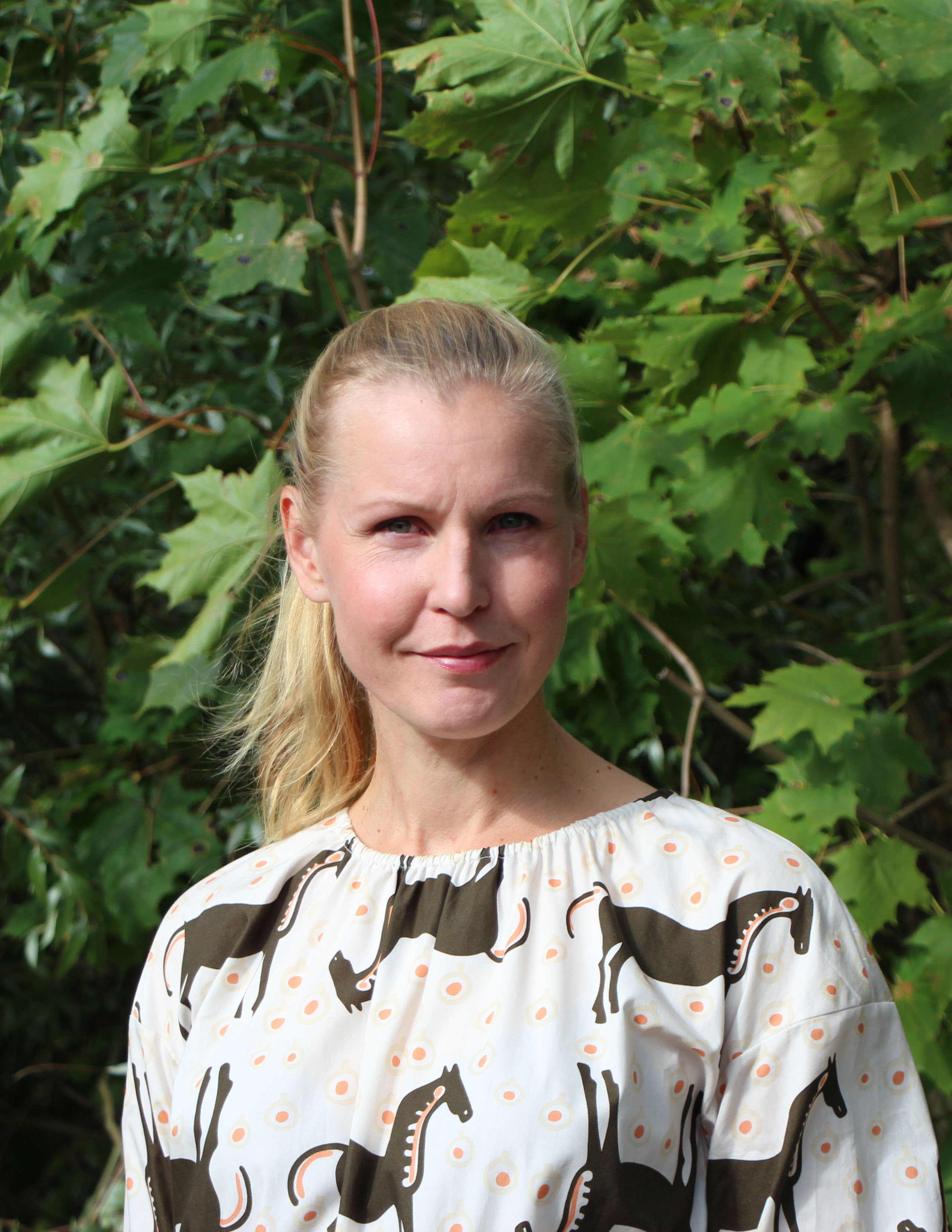
Kaisa SavolainenOrganizations might not realize what type of user knowledge they have gathered, with what practices and how it has actually been applied.'
What can it lead to?
’Organizations can streamline and improve their product development by leveraging accumulated user data: instead of repeating the same studies, think about what is really needed. This information can support organizations in allocating resources where they are most needed. In addition, this will provide a better understanding on what can be done in situations where users cannot be contacted during product development.
Organizations might not realize what type of user knowledge they have gathered, with what kind of practices and how it has actually been applied. The problem may be that the knowledge accumulated in different parts of the organization may not be brought together. Especially in larger organizations, relevant information comes from different directions: in addition to research and development, for example through sales, marketing and technical support. It is important that information is gathered from across the organization, not just in the product development unit.’
Savolainen defended her thesis Human-Centered Design When Direct Contact with Users Is Not Possible at 911±¬ÁÏÍø 4 June, 2021.
Read more news

Bachelor's Students Successfully Complete Research Internship
Three bachelor's students have successfully completed their research internships.
From Materials to Smart Textiles: Benjamin Begins a New Chapter at Aalto
Ping-Chun Chen is a researcher from National Tsing Hua University, Taiwan.
The idea of three researchers generated a deep tech company
Sim Analytics Oy relies on strong research expertise. Its story began when three researcher colleagues working in different laboratories at LUT University began to consider how to provide and analyse data in a way that would support industrial companies in making business decisions.